Yin yoga, often perceived as a gentle counterpart to more vigorous forms of yoga like vinyasa, has garnered both admiration and skepticism. Many practitioners embrace its slower pace, while others question its effectiveness as an exercise regime. Let’s peel back the layers on this tranquil practice and dive into some common misconceptions surrounding yin yoga.
The Nature of Yin Yoga
At its core, yin yoga focuses on stretching and lengthening the connective tissues—such as ligaments and fascia—through long-held poses. Unlike more dynamic styles that emphasize muscle engagement and flow, yin invites you to settle into postures for several minutes at a time. This approach promotes not just flexibility but also encourages a meditative state, offering benefits that go beyond the physical.
Is Yin Yoga Enough Exercise?
A frequent debate is whether yin yoga qualifies as “real” exercise. Many people envision workouts as high-intensity sessions that leave you breathless or drenched in sweat. However, this perspective overlooks the multitude of ways physical activity can manifest. While yin may not torch calories at the same rate as a vinyasa class, it fosters strength in different ways.
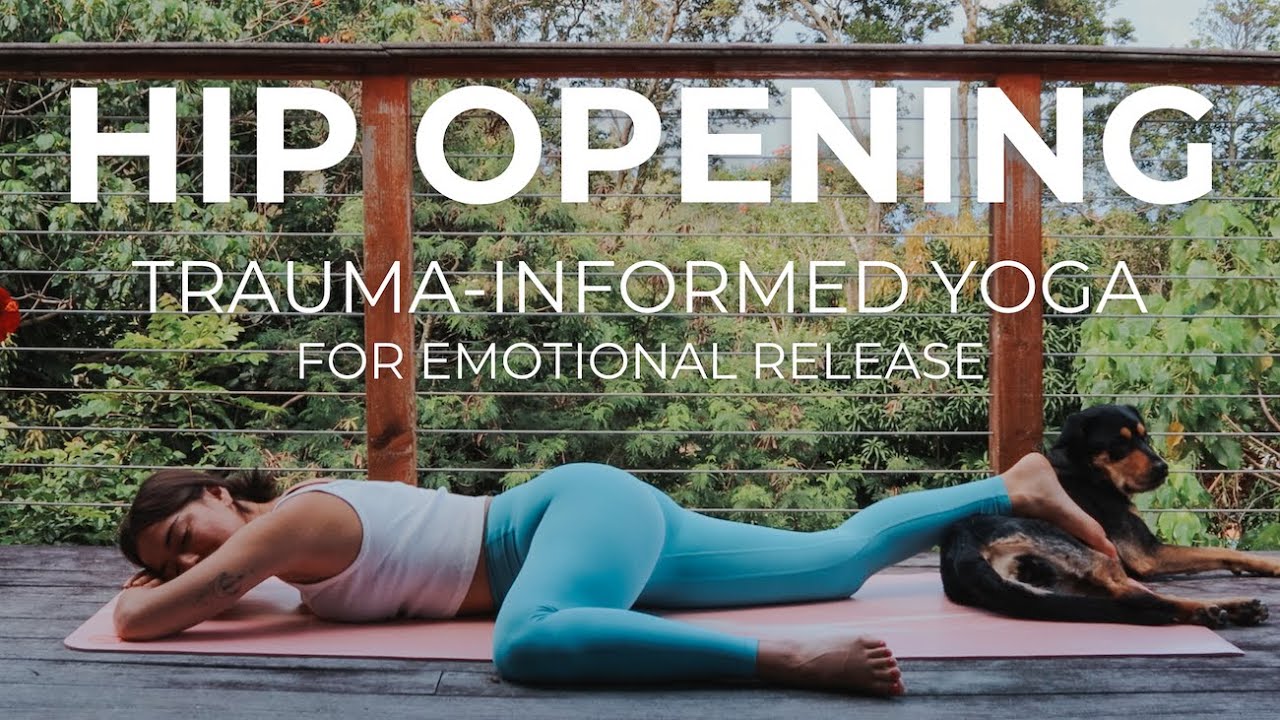

Yin yoga emphasizes Visit website passive stretching, which encourages the release of deep-seated tension in muscles and connective tissue. Over time, practitioners often report increased flexibility and improved range of motion—benefits that contribute to overall fitness levels. So yes, while it might not fit everyone's definition of strenuous exercise, it certainly plays a vital role in a balanced fitness routine.
The Benefits of Yin Yoga
The advantages of incorporating yin yoga into your regimen are plentiful. For those who lead busy lives filled with stressors, dedicating time to slow down can be transformative. Among the many benefits are:
Enhanced Flexibility: Long holds target deep tissues not usually engaged in quicker practices. Increased Mobility: By regularly engaging connective tissues, participants often find improved joint health. Stress Reduction: The meditative aspect can lower cortisol levels and promote relaxation. Recovery Aid: Perfect for rest days when your muscles crave gentle movement. Mindfulness Training: Engaging deeply with each pose helps cultivate present-moment awareness.These components contribute significantly to one’s overall well-being and should not be dismissed simply because they do not resemble traditional workout formats.
Yin Yoga vs Vinyasa
When comparing yin yoga to vinyasa—a style characterized by flowing sequences—it's crucial to recognize their distinct purposes rather than framing them as direct competitors. Vinyasa builds strength and cardiovascular endurance through dynamic movements while yin focuses on stillness and introspection.
For those new to either style, consider this: if you're looking for an energizing workout that hones strength, vinyasa may be your go-to option. Conversely, if you seek recovery or wish to deepen your understanding of your body through prolonged stretches, then yin is where you should wander.
Muscle Engagement in Yin Yoga
A common misconception is that yin yoga lacks muscle engagement altogether due to its passive nature. While it may feel less intense compared to other styles, there is indeed muscle engagement at play—just of a different kind.
During long holds, certain muscles stabilize the body while others relax into the stretch. For instance, when holding a seated forward bend for five minutes, your hamstrings engage to maintain stability even as they lengthen through the pose's duration. This nuanced form of engagement offers significant benefits for muscle tone without the jarring movements associated with faster-paced workouts.
Calorie Burn and Weight Loss
Given its slower pace and extended hold times, some individuals wonder about calorie burn during a yin practice compared to more vigorous styles like power yoga or running. Research suggests that low-intensity activities typically burn fewer calories than high-intensity workouts; however, this does not mean that they are ineffectual for weight management.
Engaging in practices like yin can complement higher intensity workouts by promoting recovery while still contributing to overall caloric expenditure over time through consistent practice. In essence, think of it as partaking in an intricate dance between various forms of exercise rather than focusing solely on calorie counts.
The Role of Recovery Days
Many athletes recognize recovery days’ importance but struggle with what those days should entail. Enter yin yoga—a perfect antidote for sore muscles after an intense workout session or sport activity.
This practice encourages blood flow without straining fatigued muscles further; it provides a gentle stretch that aids recovery without adding additional stress or intensity to your routine. Incorporating such sessions allows athletes to maintain consistency while respecting their body's need for downtime.
Limitations of Yin Yoga
Like any fitness modality, yin yoga isn't without limitations; it's essential to acknowledge these when considering your wellness journey. First off, if you’re looking solely for cardiovascular conditioning or muscular strength building during every session—this practice won’t suffice alone.

Moreover, some individuals may find prolonged holds frustrating rather than meditative; if impatience creeps in during long stretches, seeking balance through faster-paced practices could be beneficial instead.
Lastly—and perhaps most importantly—those with specific injuries or conditions should consult healthcare professionals before embarking on any new physical activity regimen including yin yoga.
Final Thoughts
Yin yoga provides more than mere stretching; it's about nurturing both body and mind through profound awareness cultivated over time spent within each pose's embrace. It stands apart from other forms of exercise by emphasizing patience over performance while still contributing valuable benefits towards flexibility and recovery—a perfect complement within any holistic fitness approach.
So next time you find yourself pondering whether this serene practice fits into your fitness narrative remember—it’s not about fitting into one mold but embracing all facets that contribute towards our well-being journey!