In the competitive world of athletics, recovery is often overlooked amid the hustle and bustle of training regimens. While many athletes focus on high-intensity workouts, a growing number are finding solace in the gentle embrace of yin yoga. This practice, characterized by long holds and deep stretches, offers unique benefits that can enhance recovery and promote overall well-being.
Yin yoga stands apart from its more dynamic cousin, vinyasa yoga, which emphasizes movement and flow. Instead, yin yoga targets the body’s connective tissues—such as ligaments and fascia—through prolonged poses that can last anywhere from one to five minutes or even longer. This slower pace allows for deeper engagement with the body’s tissues, promoting flexibility and mobility in ways that faster-paced practices may not. For athletes who often push their limits, incorporating yin yoga into their routine can provide a much-needed balance.

The Benefits of Yin Yoga for Recovery
So why do some athletes choose yin yoga for their recovery days? The reasons are numerous, but here are a few key benefits that stand out:
Enhanced Flexibility: Practicing yin yoga helps increase flexibility by targeting specific muscle groups and connective tissues. The extended hold times allow for a gradual release of tension, which can improve range of motion over time.
Calming the Mind: Recovery doesn’t just happen physically; mental recuperation is equally important. Yin yoga encourages mindfulness through breathwork and meditation techniques. This mental clarity can aid athletes in preparing psychologically for their next training session or competition.
Reduced Injury Risk: By improving flexibility and enhancing circulation to muscles and joints, yin yoga may help reduce the risk of injuries. It prepares the body to handle physical stress more effectively.
Improved Mobility: Athletes who engage in repetitive movements often find certain areas become tight or restricted. Yin yoga focuses on promoting mobility by allowing deeper stretches that target these problem areas.

Support for Connective Tissue: Yin postures work directly on connective tissues like ligaments and fascia rather than just muscles. This focus supports joint health—a crucial aspect for athletes who rely heavily on their physical performance.
Is Yin Yoga Enough Exercise?
This question often arises among those new to yin yoga or those considering it as part of their fitness regimen. While it may not provide the cardiovascular challenge of high-intensity workouts or build strength in the same way as resistance training does, it's essential to recognize that different forms of exercise serve various purposes.
For an athlete focused on strength training or aerobic conditioning, yin yoga might not replace those sessions entirely; rather, it complements them beautifully by addressing flexibility and recovery needs. In fact, many athletes incorporate both types of practice—using yin yoga to unwind after intense workouts or during active rest days.
Muscle Engagement in Yin Yoga
A common misconception about yin yoga is that it lacks muscle engagement due to its slow pace and long holds. However, that's far from reality. While it doesn't demand explosiveness like vinyasa flows might, practitioners engage various muscle groups throughout each pose by maintaining proper alignment and managing breath control.
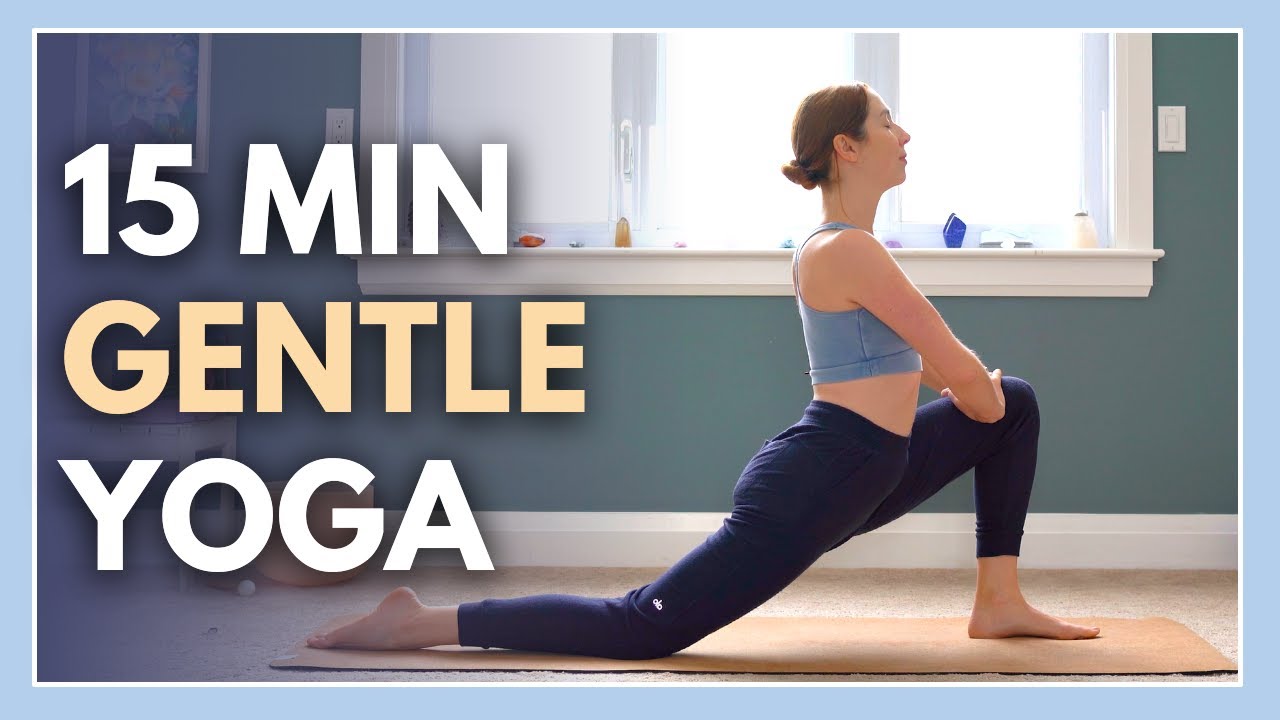
For instance, when holding a seated forward bend, it's not just about reaching towards your toes; it's about activating your hamstrings while ensuring your spine remains elongated rather than rounded. This mindful engagement fosters awareness within the body—an invaluable skill for any athlete aiming to maximize performance while minimizing injury risk.
Yin Yoga vs Vinyasa
Understanding how yin compares with vinyasa highlights its unique contributions to an athlete's regimen. Vinyasa focuses on synchronized movement with breath, leading to increased heart rates and muscular strength development through dynamic postures.
On the flip side, yin’s slower approach allows practitioners to delve into deeper stretches without rushing through transitions—perfectly suited for recovery days when gentle movement is preferred over intensity.
Athletes might consider alternating between these styles throughout their week: engaging in vinyasa sessions during more vigorous training periods while reserving yin classes for rest days or post-workout cooldowns.
Considerations for Beginners
For beginners curious about diving into the world of yin yoga, there are a few things worth noting:
- Start slowly: If you're new to this practice, begin with shorter holds (around two minutes) before gradually extending durations. Listen to your body: Pay attention to sensations during each pose; discomfort is natural but avoid pushing beyond your limits. Seek guidance: An experienced instructor can provide valuable cues on alignment while helping you navigate potential pitfalls. Incorporate props: Utilizing blocks or bolsters can enhance comfort during long holds—making it easier to settle deeply into each pose.
As you progress in your journey with yin yoga, you'll likely notice improvements not only in flexibility but also in mental clarity—an added bonus when facing competitive challenges ahead.
Addressing Misconceptions
Despite its increasing popularity among athletes aiming for holistic wellness approaches post-training sessions—or simply seeking relaxation—some misconceptions still linger around yin yoga's effectiveness as exercise:
- "It's too easy." Although it appears gentle at first glance, holding poses requires significant concentration and effort over time. "It won't burn calories." While not as intense as high-impact workouts like HIIT or running sessions—which typically lead to higher calorie expenditures—yin yoga still promotes metabolic activity through sustained engagement.
Ultimately, everyone’s journey with fitness should be tailored individually; finding what resonates best often leads to optimal results both physically and mentally.
Balancing Act
Incorporating yin yoga into an athlete's recovery routine creates a balanced approach between intense training regimes and restorative practices—a crucial component often overlooked in pursuit of peak performance levels.
By embracing this slower-paced style alongside traditional workout routines focused on endurance or strength-building exercises like weightlifting—you’ll not only foster physical resilience but cultivate mental fortitude as well—a true win-win situation!
In essence, whether you're an elite athlete looking to refine your technique or someone simply seeking greater mobility amidst life’s demands—the serene world of yin yoga awaits you Click to find out more with open arms (and perhaps an inviting mat).